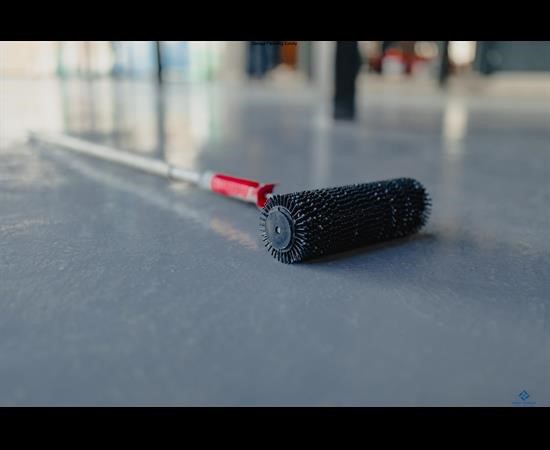
Garage Flooring Epoxy has many benefits, but the most important is its durability. Unlike other flooring options, this one can withstand hot tires and other elements. It is easy to maintain and can be easily cleaned. This floor coating does not require special maintenance. It is a great choice for garage floors. Garage Flooring Etoxy is a great choice for garage flooring.
You can use Garage Flooring Epoxy for a variety of commercial spaces, including laboratories, auto shops, and vet clinics. It can also be installed in your home. It can be used in industrial settings, such as factories. If you own a small business and would like to have a new floor for your facility, you should consider this material. A new floor will increase sales and attract new customers.
Garage Flooring Epoxy can be used in commercial applications such as showrooms, automotive shops, and veterinarian clinics. It is also great for industrial applications. It is easy to clean and maintain. Garage Flooring Etoxy is a great option for small businesses to attract new customers. The durable, shiny floor will be appreciated by your clients and employees. You'll also love how many customers you can get. You'll find many advantages to Garage Flooring Etoxy.
The thickness of the epoxy floor coating will determine its price. A typical two car garage is about 450 square feet, so a one-gallon can covers about 450 square feet of floor space. You can purchase DIY kits to apply the epoxy, but be aware that it is not a DIY project and requires a lot of prep work. The epoxy is costly and will take several days to cure.
An epoxy floor coating for a 2-car garage costs between $1,320 and $5,080. A professional, well-trained technician will typically charge about $1,711 for an average two-car garage. The cost of the job can rise to $2,500 if you're doing it yourself. If you have cracks or other issues with the surface, your 2-car garage may cost more.
The average cost of epoxying a garage with two cars will be between $2,320 and $5,500. The average cost of professional epoxy can be as high as $3,080. You may need to pay more depending on the garage's surface condition. DIY projects can be done by anyone who is willing to remove all stains and cracks, before applying epoxy. You can save money by DIY-ing the project.
Garage floors can be cold so it is important to keep them warm. The easiest way to do so is to use a carpet, which is comfier for the feet than a concrete slab. Another option is to install an elevated floor, which is purpose-made to be warm and insulated. This will keep your garage floor dry and warm. Here are some tips: You'll have more warmth, and a cosy garage!
The first thing you should do is insulate your floor. Although concrete is cold to the touch, it can be kept warm by covering it with a layer of insulation. A layer of insulation can make concrete floor warmer. This is especially important if you are a part-time mechanic who works on your car on a concrete floor. This type of insulation can help your back and neck and prevent injury.
Concrete floors are not ideal for insulation. Concrete is not able to withstand extreme temperatures or moisture so you will need to install insulation. A layer of insulation can be added to your garage floor. Even if the garage is made of bare brick, you should also use an inner leaf or a piece of plasterboard to keep the floor warm.
First, clean your garage floor. You should clean the garage floor of any dirt, oil, or dust before applying the epoxy coating. Then, use a commercial floor cleaner to clean away any grease or oil residue. If you're worried about the process, you can call a professional concrete repair specialist. Then, you should wait between 12 and 24 hours for the floor to dry completely.
Next, prepare the concrete for epoxy. This can be challenging for the average homeowner. To make concrete suitable for coating, it is recommended to grind it. However, a professional should perform this task. If a homeowner is not confident with their DIY skills, they should not attempt this task. The floor must be completely dry to ensure that the epoxy will adhere to it. Then, he/she can apply primer to the new floor.
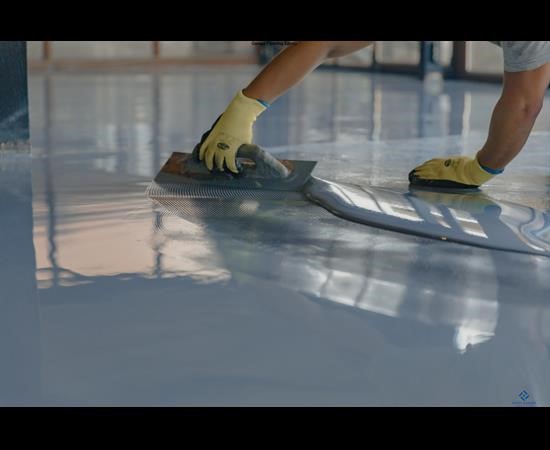
Once the substrate is prepared, the epoxy can be applied. Generally, this process will take anywhere from four to five hours. It will take approximately five days to finish the first coat, which can be problematic for busy homeowners and businesses. The floor will also be noisy and cold. Once the first coat is applied, you can drive on it immediately.
Scraping epoxy off a table with fine sandpaper is the best way to remove it. Although it won't cause any damage to the table's surface, it will leave a mark that must be filled. You can use a sandpaper to remove the scratch, but you won't be able to soak a paper towel with rubbing alcohol. This will loosen the bond and allow you to pry off the coating. Once you have scraped off the excess, you can wipe off the solvents with a clean rag.
It is best to follow the manufacturer's instructions when applying epoxy. Certain conditions can cause the resin to peel or crack. High humidity and sudden changes in temperature can result in condensation or moisture seepage. Changing temperatures can also cause the epoxy to not harden properly. These conditions can cause epoxy to crack and become brittle. To ensure that epoxy cures properly and doesn't peel, it is important to avoid these conditions.
Although epoxy is resistant to damage or scratching, it is important that you protect your surface. To protect your surface from scratches, you can sand it or apply a special coating. This coating is also resistant to moisture. Make sure your bathroom and kitchen are dry before applying the coating. Extreme temperature changes should be avoided. This will cause epoxy to not harden properly, and it will eventually peel off and show irregularities.
One question you may be asking yourself is, do epoxy floors scratch easily? The good news is that epoxy floors do not scratch easily. These flooring materials are made to resist abrasion and scratches. Even if the floor has been in your home for many years, it will still be durable. These floors are resistant to sun damage and drying out. If you've recently installed an epoxy floor in your home, you should consider taking steps to prevent damage from occurring.
Epoxy flooring can be cleaned without damaging it. If a stain is deep, you may need to use steam cleaning to remove it. This method can cause damage to the concrete beneath, making it extremely difficult. While the flooring can be removed, it will require professional help and expensive materials. Proper maintenance will ensure that your floor looks beautiful for longer. You'll need to buy special cleaning products and follow some simple tips to make sure the floor is free of scratches and grime.
First, you should remember that scratch-resistance isn't a binary concept. Different materials are more scratch-resistant than others. So, do epoxy floors scratch easily? This question will depend on the type of flooring you choose. The epoxy that is 100% solids dries in 12 hours while the other two options take six to 8 days. These are some tips to help you determine how long your flooring will last.
Top Rated Epoxy Resin Garage Floor Installers in Arizona!